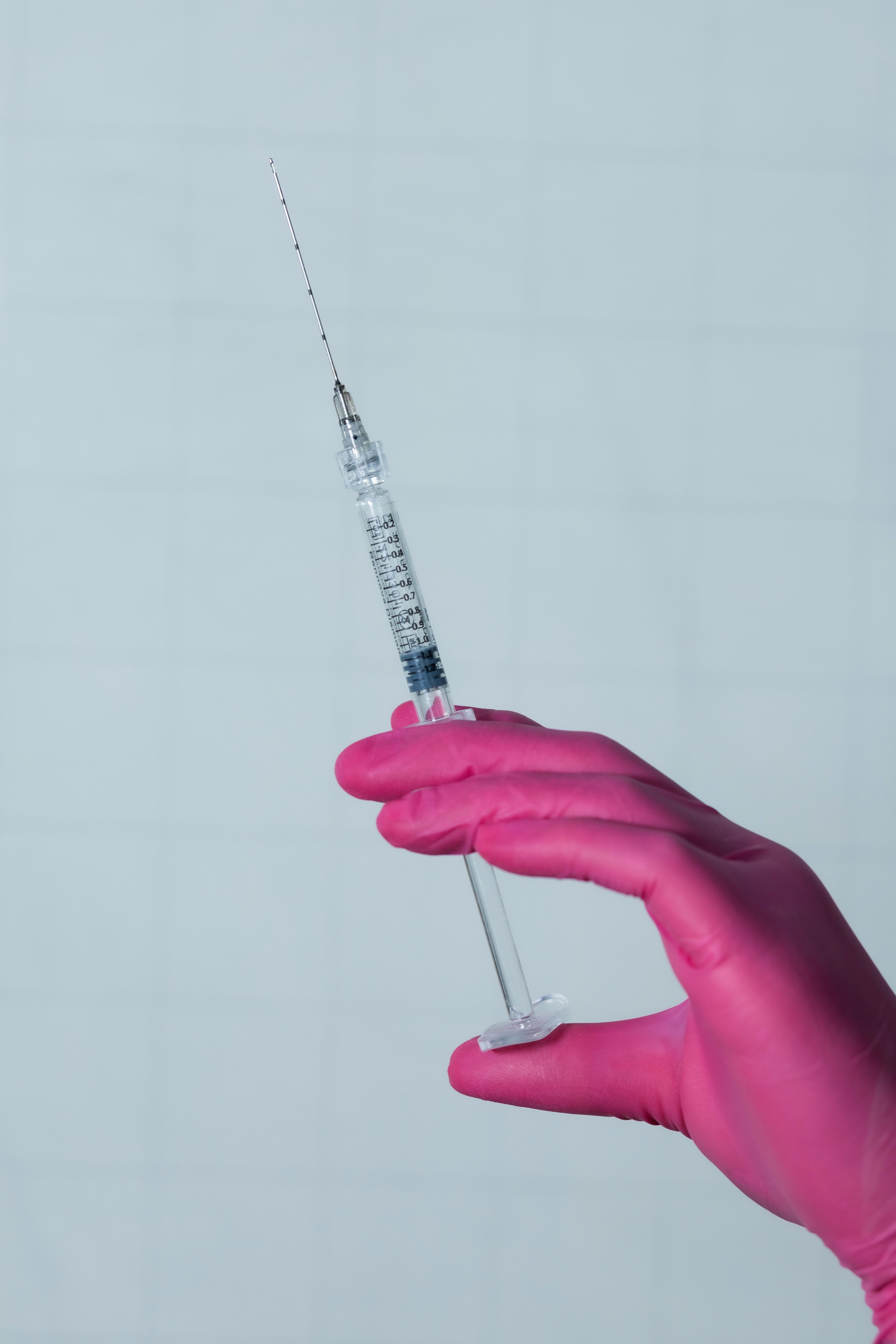
The Long Game


Biostimulators work with your body's own biology, whether that's triggering new collagen production or drawing on your own blood's natural healing properties. Results develop gradually, leading to a look and feel like your own tissue, because they are.
Is this right for me?
It is if...
-
You want results that look like your own skin
-
You've noticed volume loss that filler hasn't fully addressed
-
You're thinking long-term about your skin's structure and health
-
You're open to a series of treatments rather than a single session
It isn't if...
-
You are pregnant or breastfeeding
-
You want immediate, visible results from a single session
-
You have an active infection at the treatment site
-
You have a known sensitivity to any product ingredients
What to expect
Time
30 to 60 minutes per session, after a consultation.
Frequency
2 to 4 sessions, with maintenance every 1 to 2 years.
Pricing
Priced per vial, dependent on area treated and vials needed.
Treatment Areas
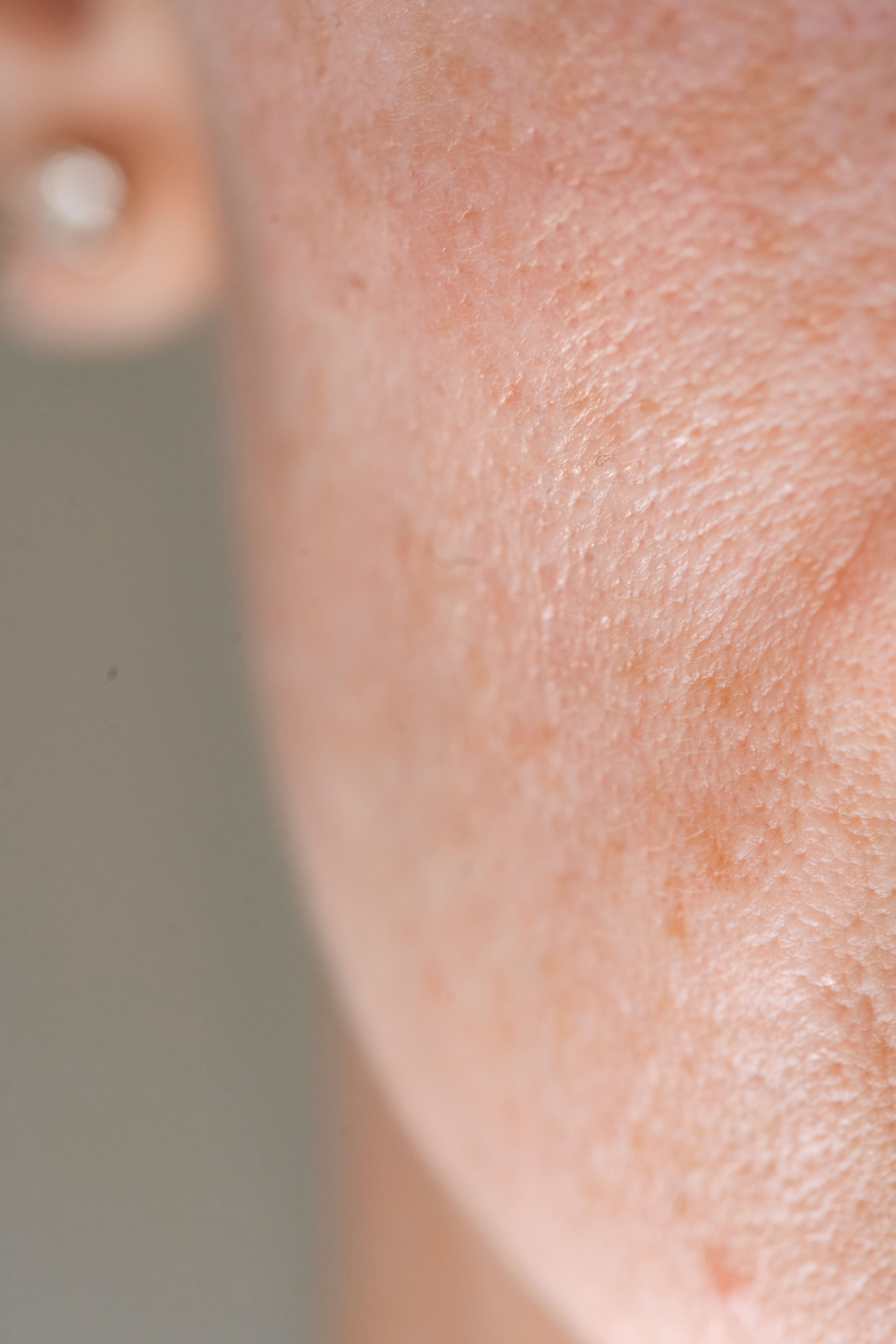
Cheeks
One of the most versatile areas for treatment, whether the goal is restoring volume and lift or improving skin texture and quality.
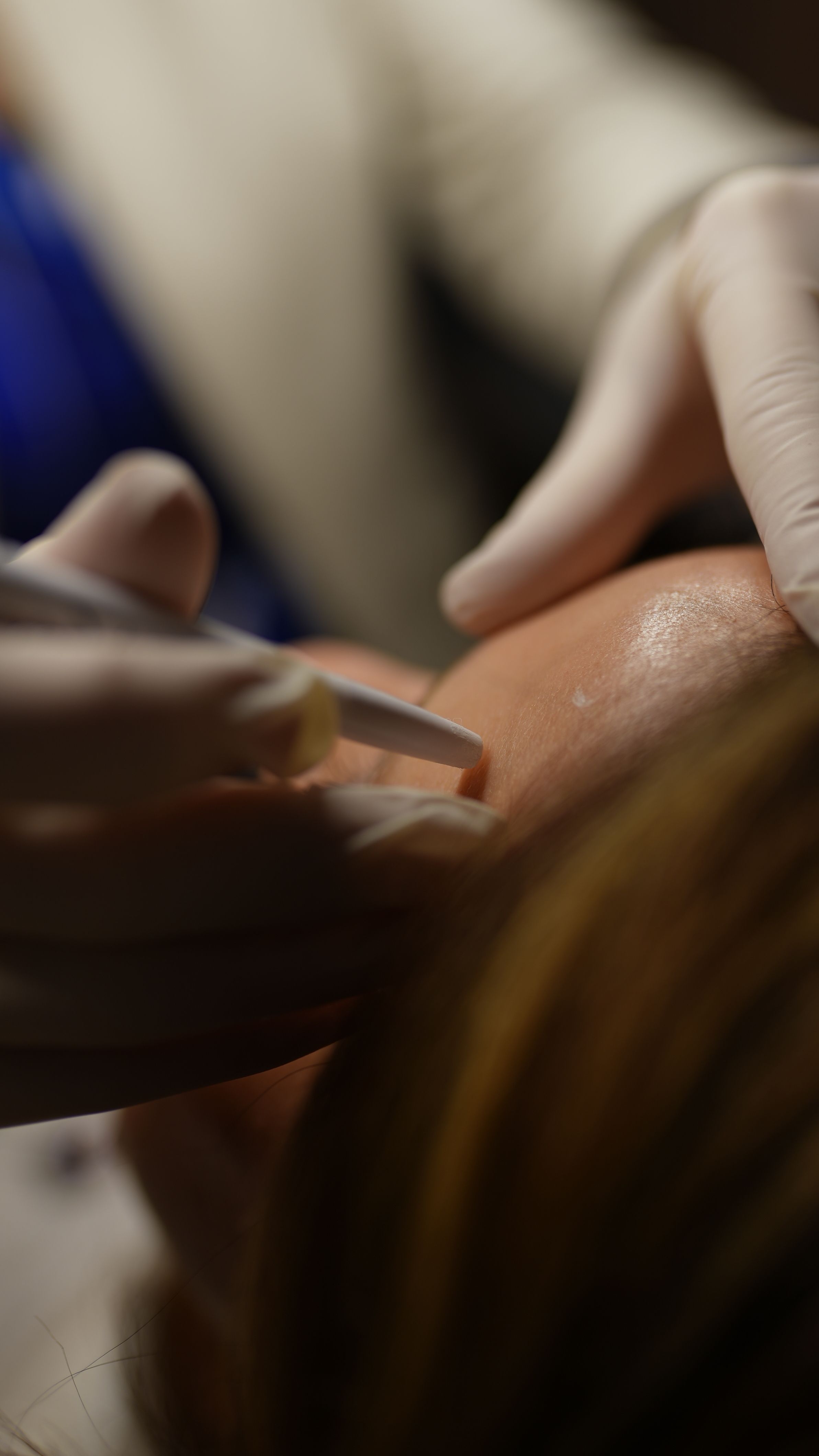
Temples
Hollowing at the temples is a common and often overlooked sign of volume loss. Restoring here creates a more balanced upper face.
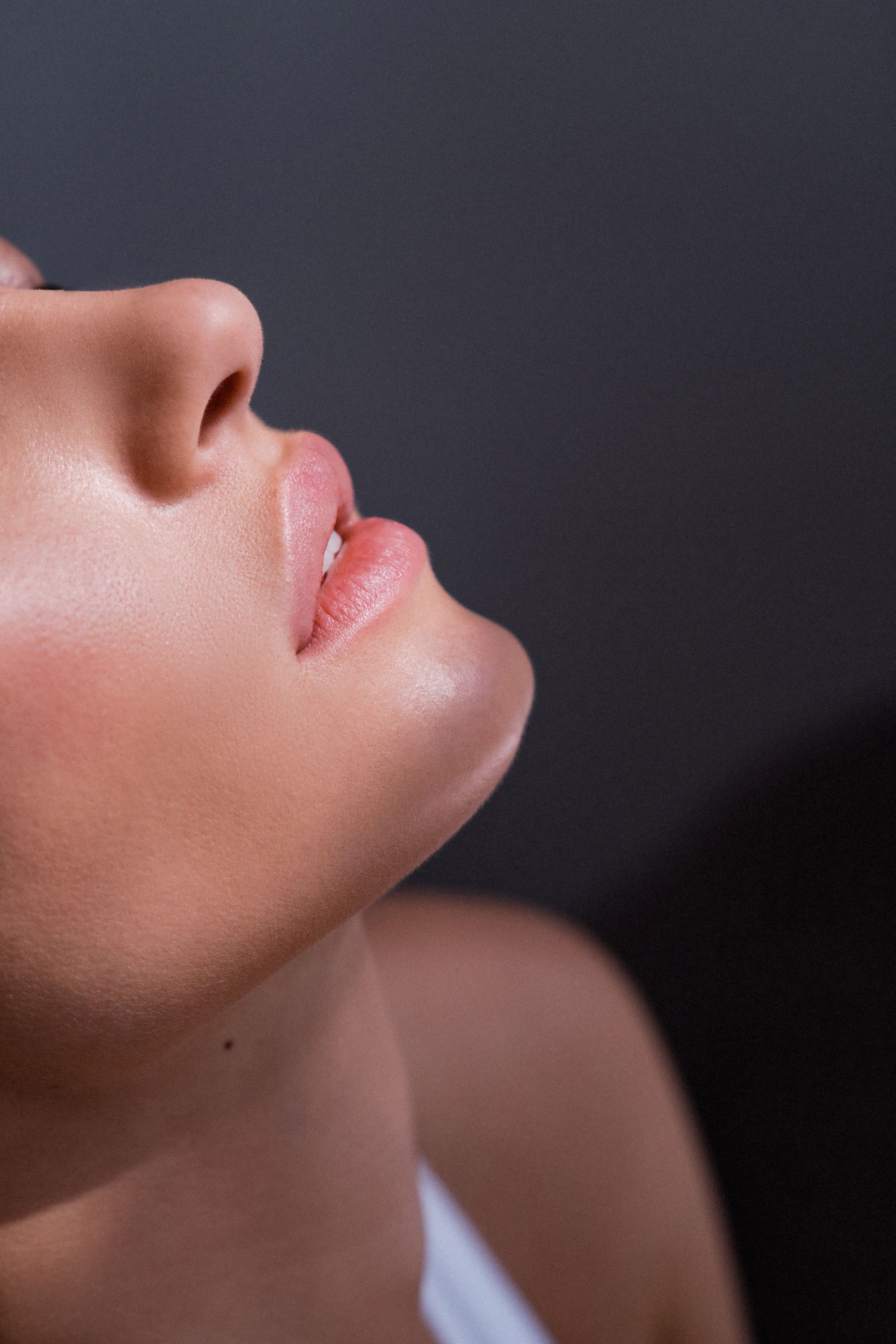
Jawline
This area responds well to structural treatments for definition and contour, or skin-quality treatments when texture is the main concern.
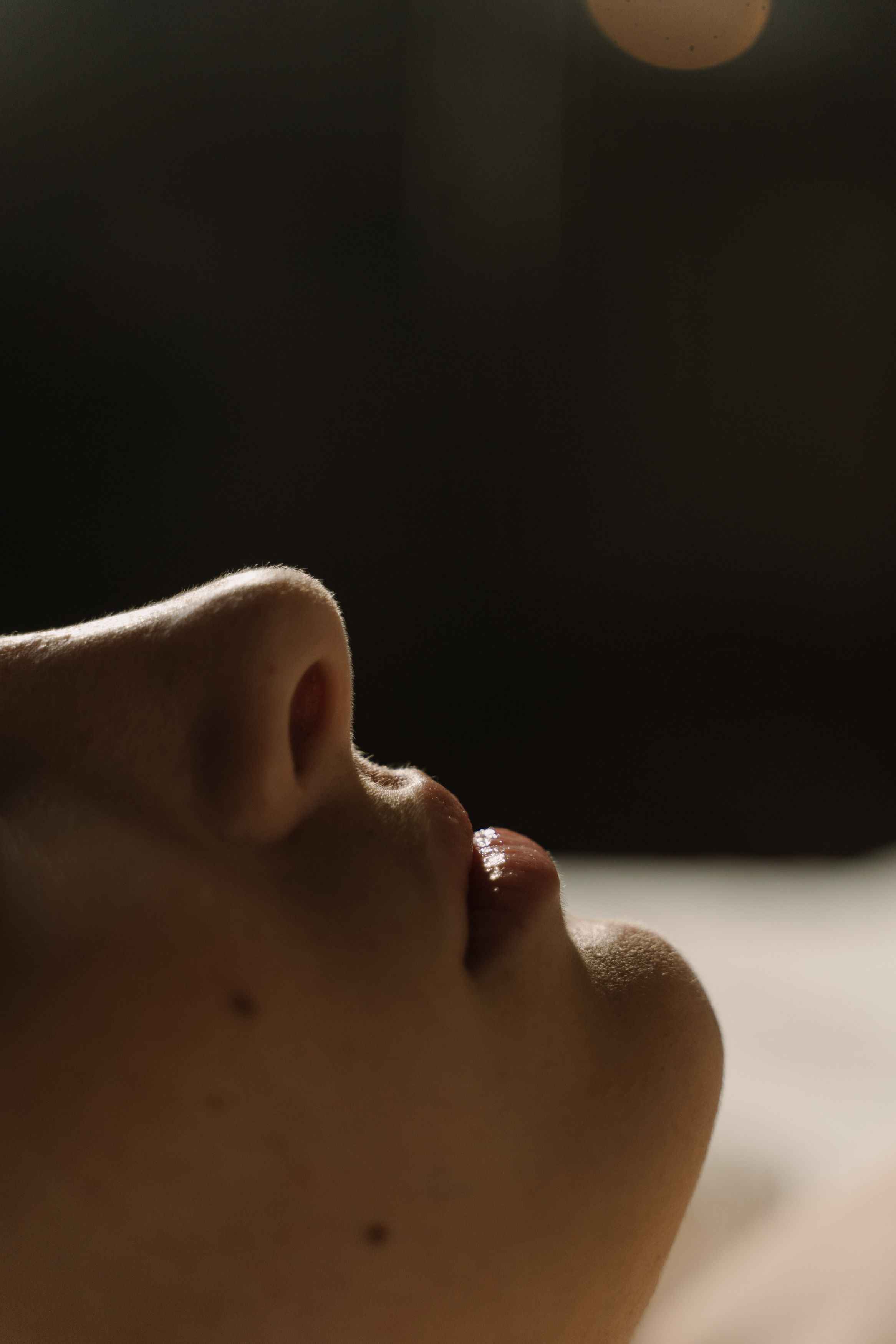
Nasolabial Folds
Deeper lines caused by volume loss typically respond best to structural treatment.
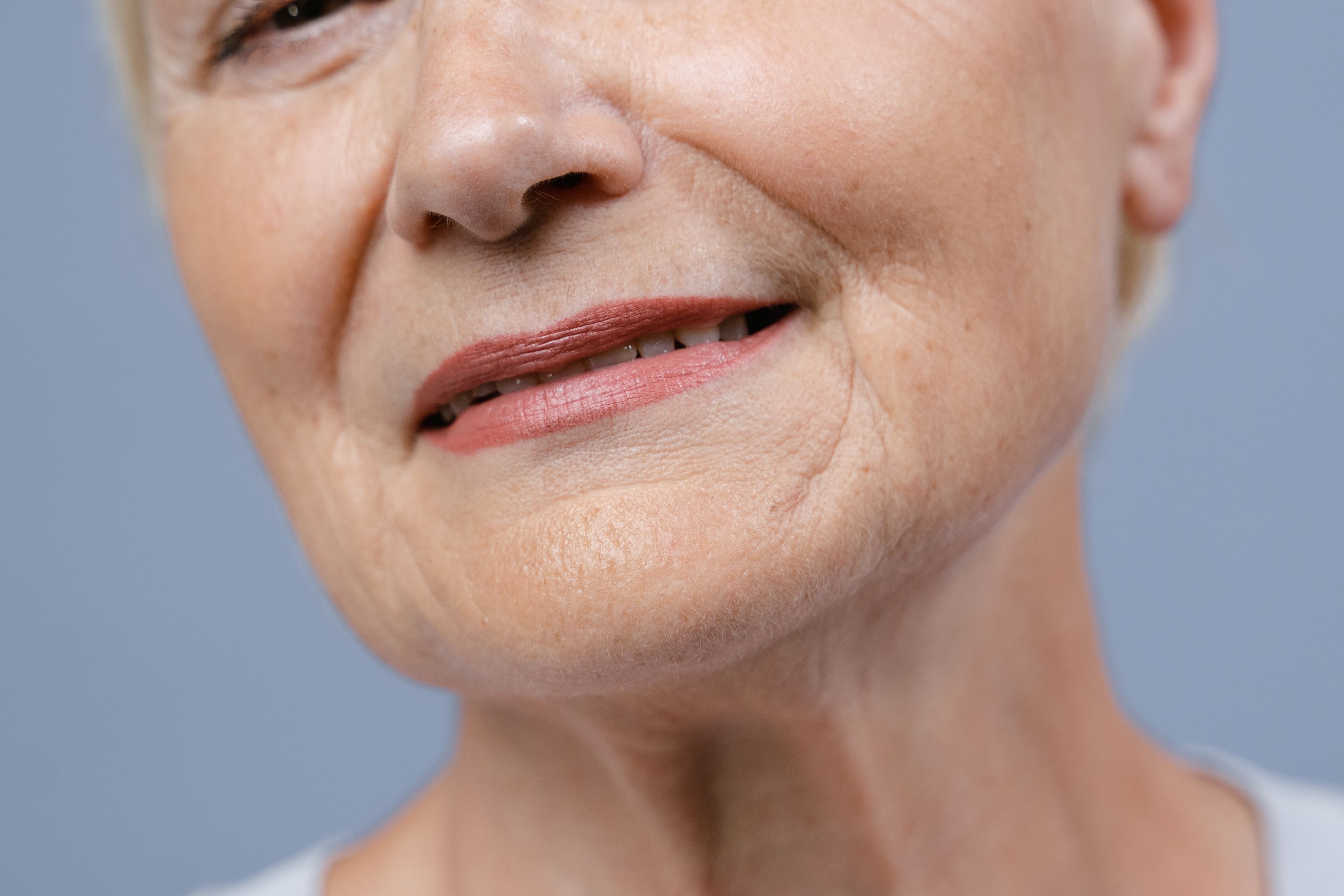
Marionette Lines
Lines at the corners of the mouth that contribute to a downturned appearance improve with targeted collagen stimulation.
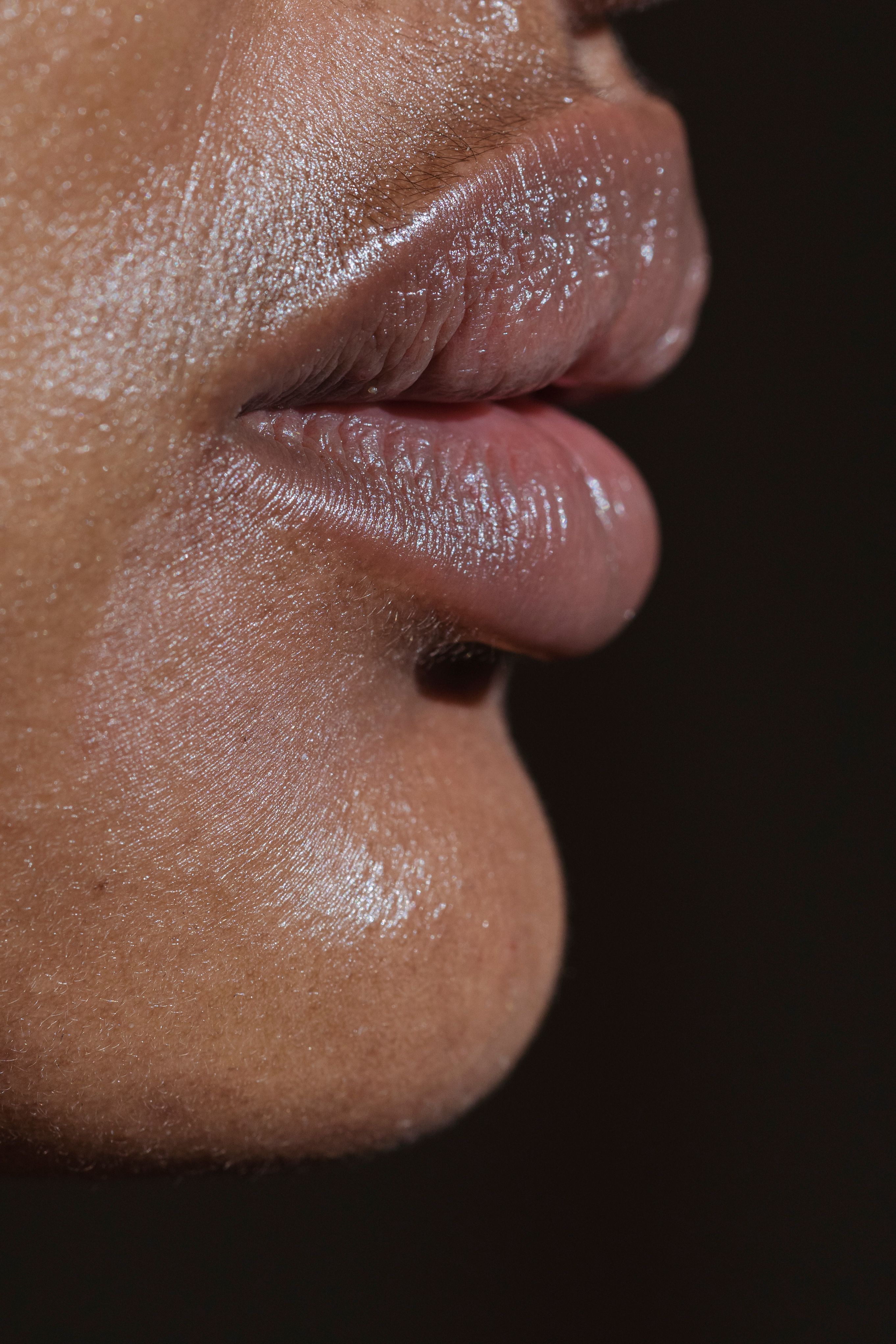
Chin
Projection and lower face definition can be refined as part of a broader lower face plan, whether the goal is structure or skin quality.
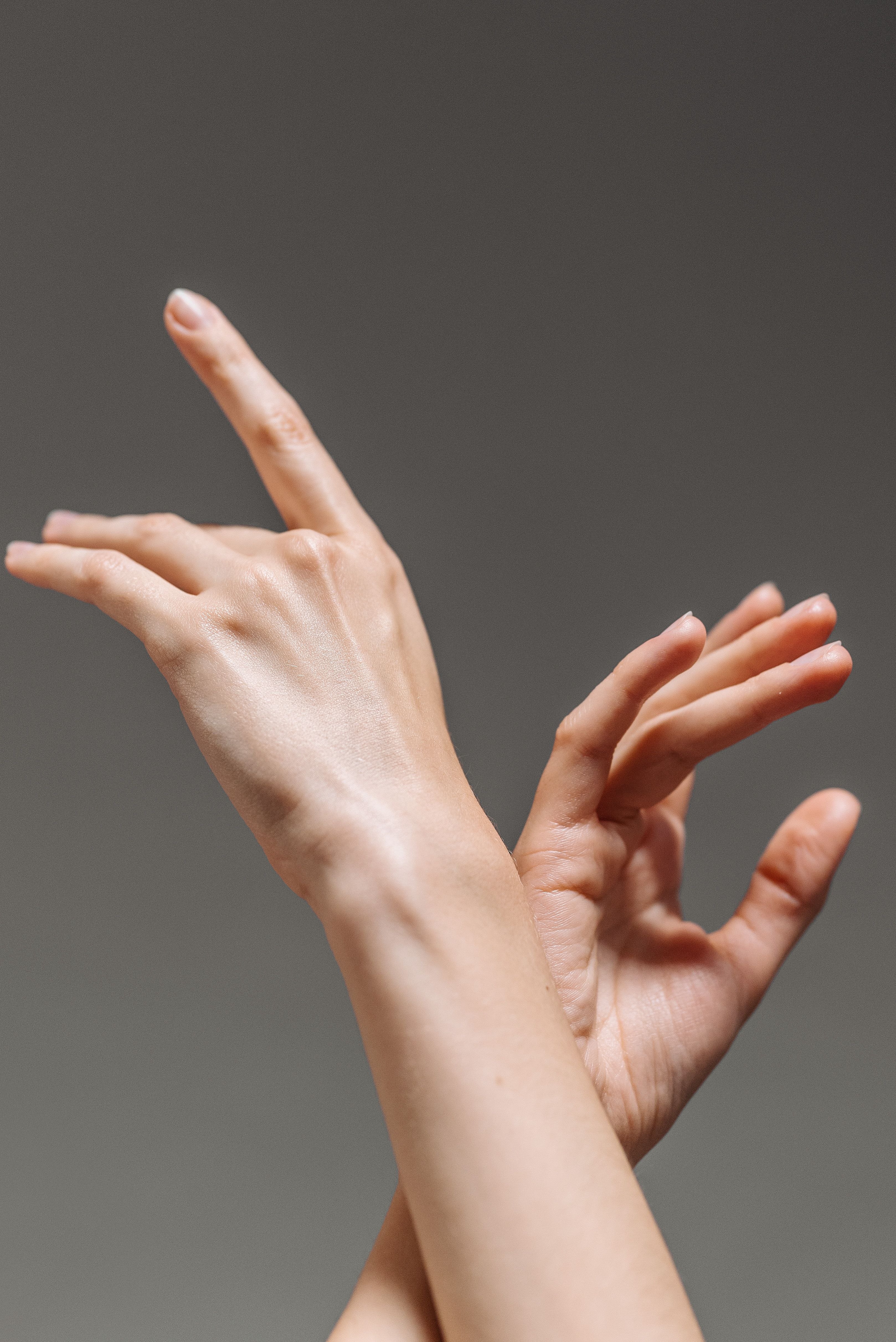
Hands
One of the more overlooked areas for rejuvenation, using biostimulators to restore lost volume in a commonly neglected area.
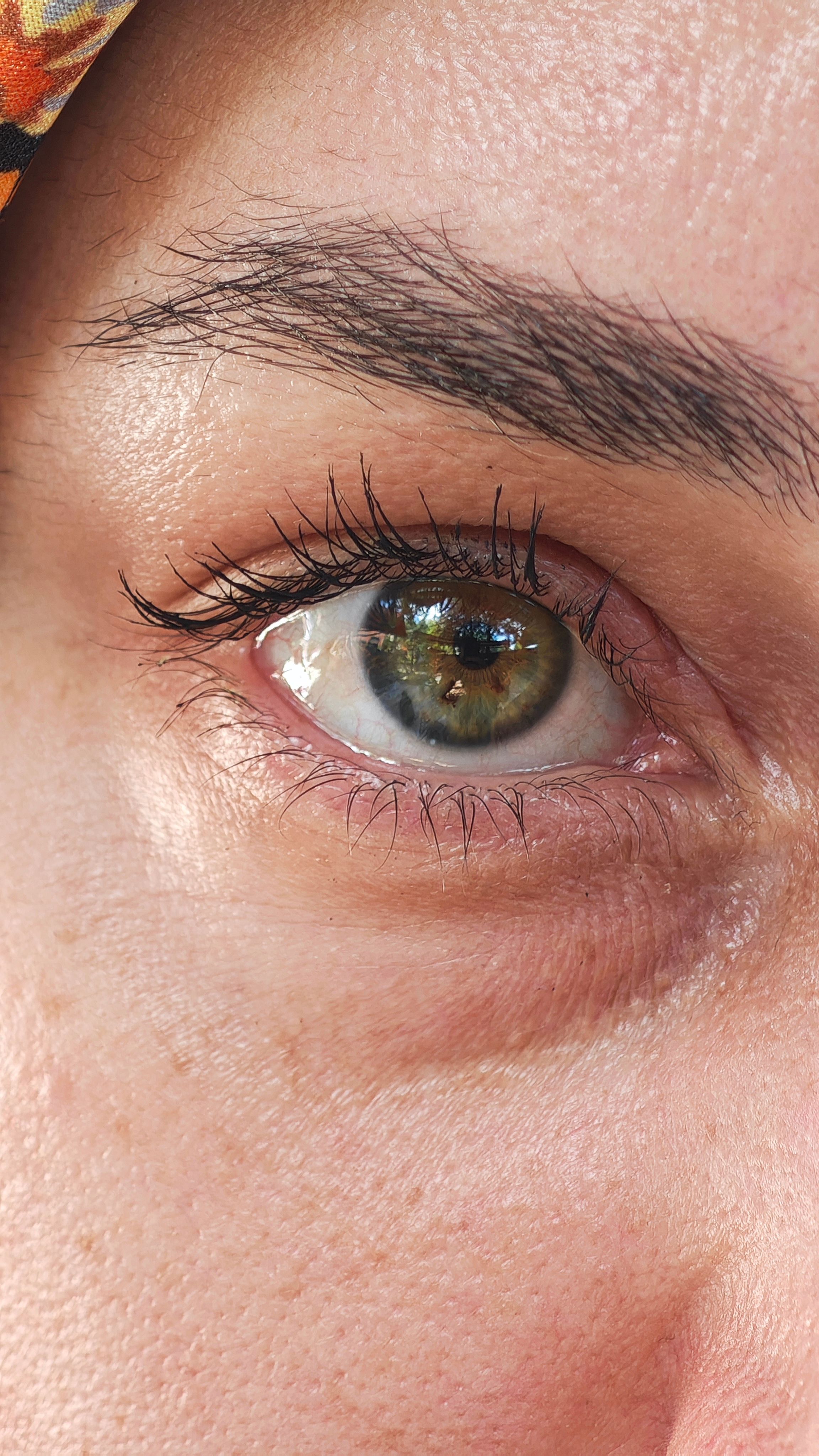
Under-Eye
A delicate area where the focus is often skin quality rather than added volume. Fine lines, mild hollowness, and texture can improve with treatments that support the skin's own regenerative process.
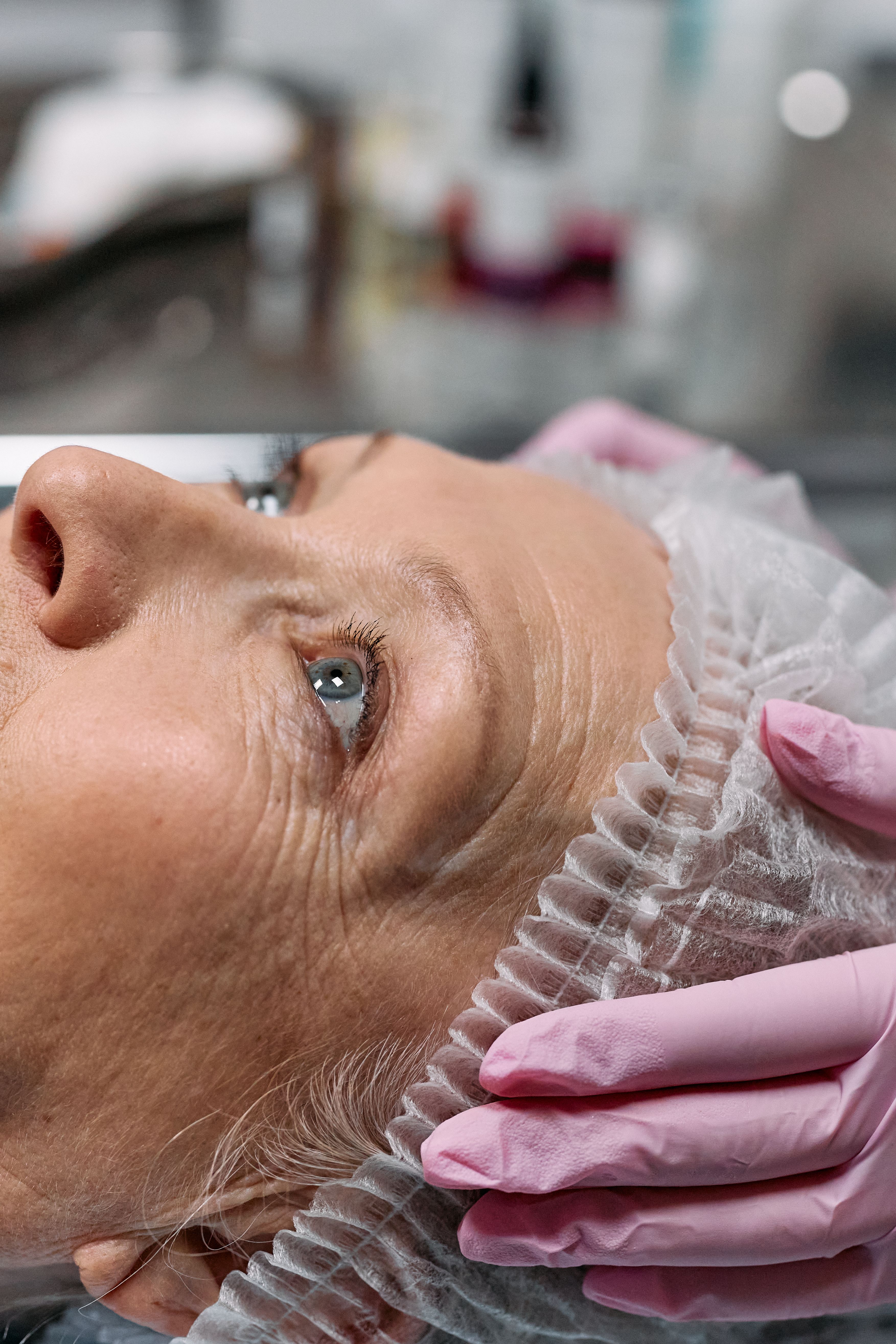
Crow's Feet
Fine lines and texture around the outer eye can improve with skin-quality treatments, offering a different approach than neuromodulators for softening dynamic lines.
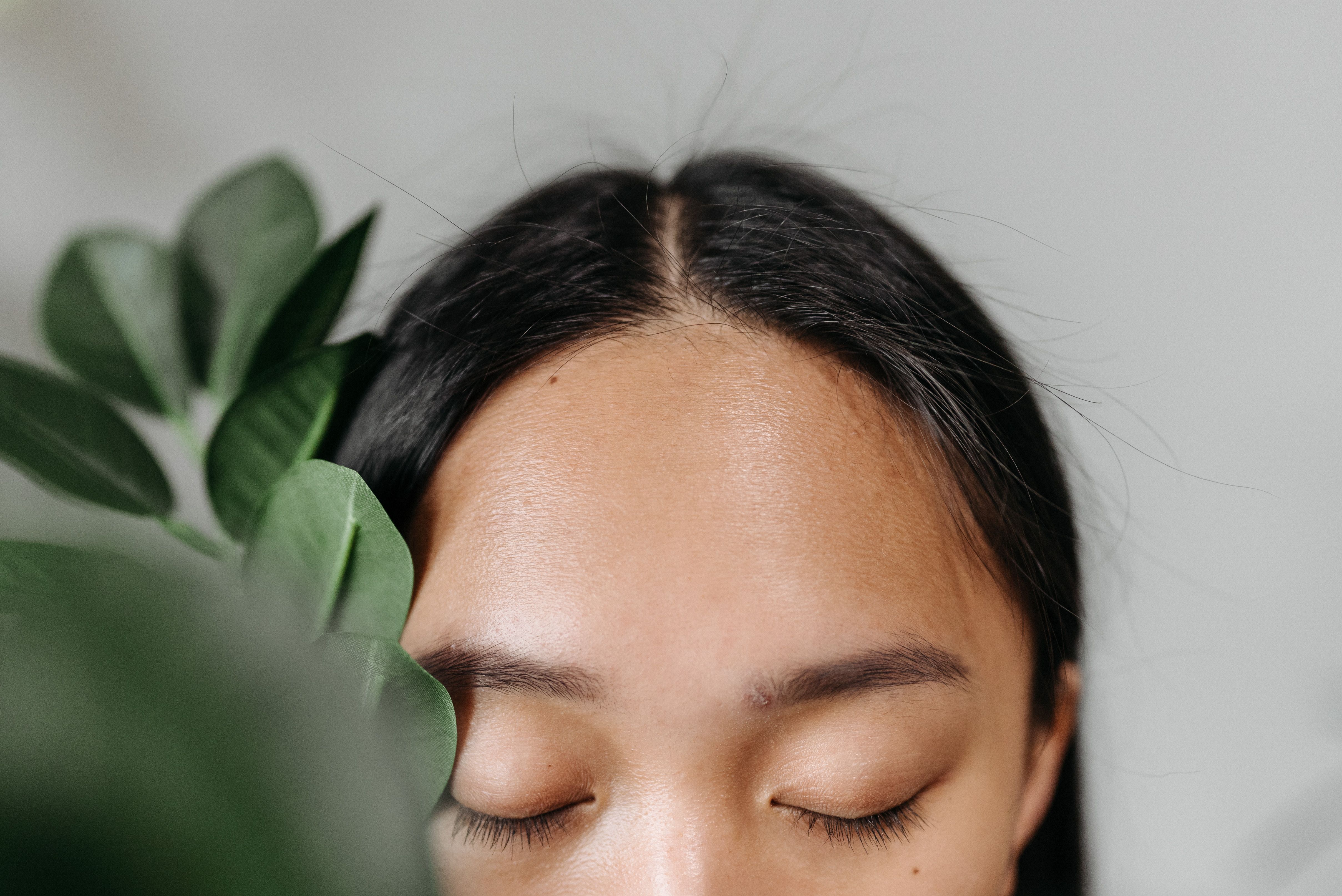
Forehead
Beyond muscle-relaxing treatments, the forehead can benefit from options focused on smoother texture and overall skin quality.
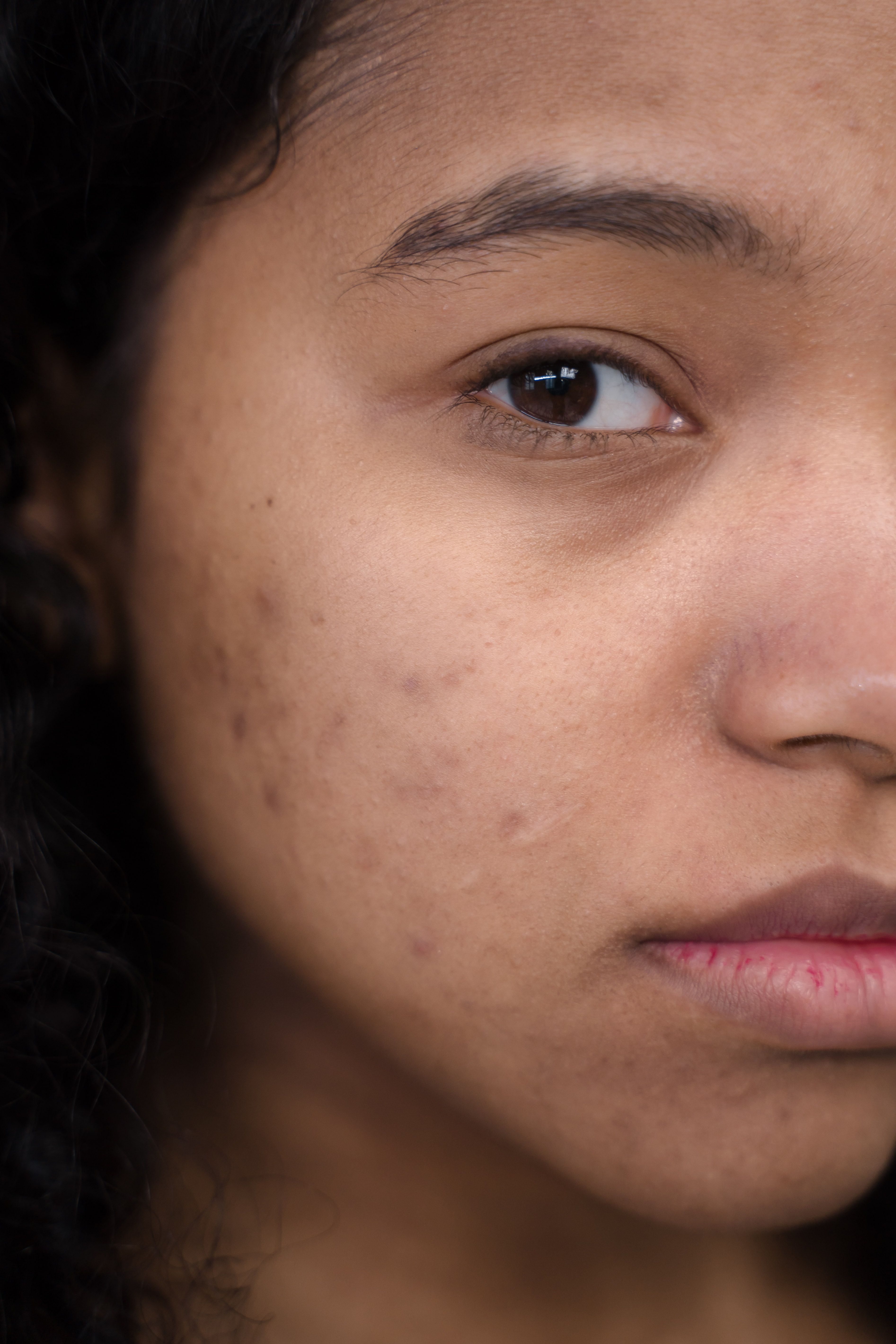
Acne Scars & Texture
Textural irregularities and the appearance of certain acne scars often respond to treatments that stimulate the skin's natural healing, usually over a series of sessions.
Around the Mouth
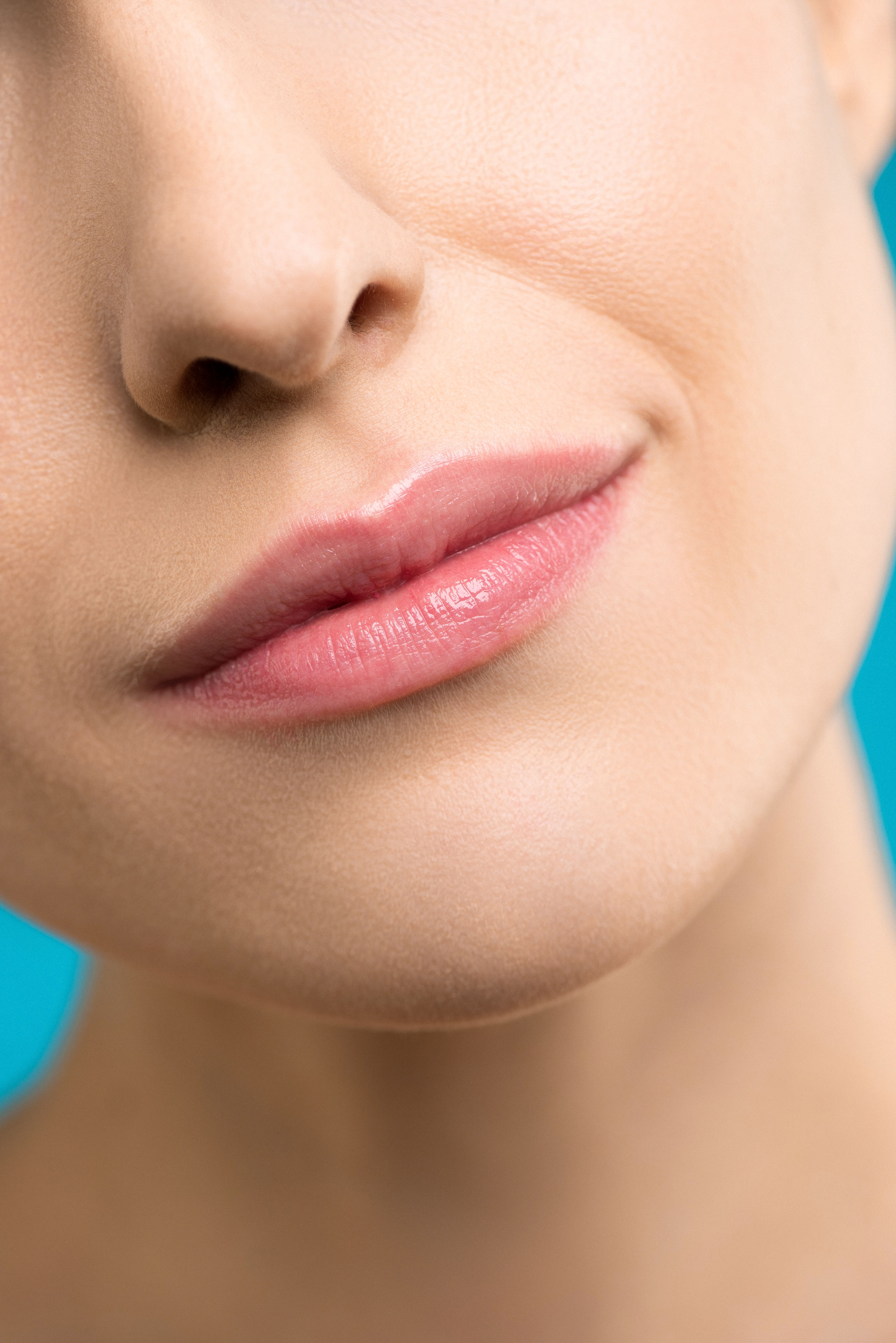
Fine lines and textural changes around the mouth can be softened with treatments focused on skin rejuvenation rather than added volume or shape change.
Cheeks
One of the most versatile areas for treatment, whether the goal is restoring volume and lift or improving skin texture and quality.
Temples
Hollowing at the temples is a common and often overlooked sign of volume loss. Restoring here creates a more balanced upper face.
Jawline
This area responds well to structural treatments for definition and contour, or skin-quality treatments when texture is the main concern.
Nasolabial Folds
Deeper lines caused by volume loss typically respond best to structural treatment.
Marionette Lines
Lines at the corners of the mouth that contribute to a downturned appearance improve with targeted collagen stimulation.
Chin
Projection and lower face definition can be refined as part of a broader lower face plan, whether the goal is structure or skin quality.
Hands
One of the more overlooked areas for rejuvenation, using biostimulators to restore lost volume in a commonly neglected area.
Under-Eye
A delicate area where the focus is often skin quality rather than added volume. Fine lines, mild hollowness, and texture can improve with treatments that support the skin's own regenerative process.
Crow's Feet
Fine lines and texture around the outer eye can improve with skin-quality treatments, offering a different approach than neuromodulators for softening dynamic lines.
Forehead
Beyond muscle-relaxing treatments, the forehead can benefit from options focused on smoother texture and overall skin quality.
Acne Scars & Texture
Textural irregularities and the appearance of certain acne scars often respond to treatments that stimulate the skin's natural healing, usually over a series of sessions.
Around the Mouth
Fine lines and textural changes around the mouth can be softened with treatments focused on skin rejuvenation rather than added volume or shape change.
Cheeks
One of the most versatile areas for treatment, whether the goal is restoring volume and lift or improving skin texture and quality.
Temples
Hollowing at the temples is a common and often overlooked sign of volume loss. Restoring here creates a more balanced upper face.
Jawline
This area responds well to structural treatments for definition and contour, or skin-quality treatments when texture is the main concern.
Nasolabial Folds
Deeper lines caused by volume loss typically respond best to structural treatment.
Marionette Lines
Lines at the corners of the mouth that contribute to a downturned appearance improve with targeted collagen stimulation.
Chin
Projection and lower face definition can be refined as part of a broader lower face plan, whether the goal is structure or skin quality.
Hands
One of the more overlooked areas for rejuvenation, using biostimulators to restore lost volume in a commonly neglected area.
Under-Eye
A delicate area where the focus is often skin quality rather than added volume. Fine lines, mild hollowness, and texture can improve with treatments that support the skin's own regenerative process.
Crow's Feet
Fine lines and texture around the outer eye can improve with skin-quality treatments, offering a different approach than neuromodulators for softening dynamic lines.
Forehead
Beyond muscle-relaxing treatments, the forehead can benefit from options focused on smoother texture and overall skin quality.
Acne Scars & Texture
Textural irregularities and the appearance of certain acne scars often respond to treatments that stimulate the skin's natural healing, usually over a series of sessions.
Around the Mouth
Fine lines and textural changes around the mouth can be softened with treatments focused on skin rejuvenation rather than added volume or shape change.
How It Works
Biostimulators work by creating a stimulus in the deeper layers of tissue that prompts fibroblasts to produce new collagen. Rather than filling space directly, they give your skin the signal it needs to rebuild its own structure. Results develop gradually over weeks and months, which is why they tend to look more organic than immediate-result treatments.
Because the mechanism is gradual, biostimulators are done in a series rather than a single session. The investment is in the long-term quality and structure of your skin.
Your Options
Radiesse
Calcium hydroxyapatite microspheres that provide immediate volume while triggering the skin's own collagen production. Results tend to improve in the weeks following treatment as new collagen forms around the microspheres.
Onset
Immediate volume, collagen builds over weeks
Duration
12 to 18 months
Spread
Thicker, structural
Sculptra
A poly-L-lactic acid formula with no immediate volume effect, working entirely through collagen stimulation over a series of sessions. Results develop slowly and can last two years or more.
Onset
Gradual, over 4 to 6 weeks
Duration
2+ years
Spread
Diffuse collagen stimulation
Platelet-Rich Plasma
Platelet-rich plasma, abbreviated as PRP, uses a concentrated portion of your own blood to support the skin's natural healing and collagen production. It can be injected directly into targeted areas or combined with microneedling to improve overall skin quality, texture, and tone. Because it works with your own biology, PRP is generally focused on skin rejuvenation rather than adding volume, and is often paired with fillers or biostimulators as part of a broader treatment plan.
Onset
Gradual
Duration
Varies by individual
Spread
Targeted by injection, or diffuse when combined with microneedling
Before & After Care
Before your visit
-
Avoid blood thinners and alcohol for 24-48 hours beforehand
-
Skip vitamin E and fish oil supplements if possible
-
Come with a clean face, free of heavy makeup
-
Let us know about any recent illness or dental work
After your visit
-
Massage the treated area as directed, Sculptra especially
-
Avoid intense exercise and heat exposure for 24 hours
-
Stay well-hydrated in the days following treatment
-
Be patient as results develop over weeks, not days
FAQs
Is it safe?
Radiesse and Sculptra are FDA-approved, and PRP uses a concentrated portion of your own blood, so there's no synthetic material involved. All have well-established safety records in aesthetic medicine. As with any treatment, we review your health history before proceeding.
Does it hurt?
Most patients find it manageable. Topical numbing is applied beforehand, and we work to keep the experience as comfortable as possible. Some areas are more sensitive than others.
When will I see results?
Radiesse provides immediate volume with results improving over the following weeks. Sculptra results build gradually over 4 to 6 weeks and continue to develop with each session. PRP results also build gradually as the skin heals and regenerates.
How long does it last?
Radiesse typically lasts 12 to 18 months. Sculptra results can last two years or more, making it one of the longer-lasting options available. PRP results vary by individual, and a series of sessions is often recommended to maintain them.
How many sessions will I need?
Radiesse can sometimes achieve the desired result in a single session, though a follow-up may be recommended. Sculptra typically requires 2 to 4 sessions spaced a few weeks apart. PRP is also often done as a series, since collagen remodeling happens gradually. We'll outline a realistic plan at your consultation.
What is the difference between Radiesse and Sculptra?
Radiesse provides immediate volume while also stimulating collagen. Sculptra has no immediate volumizing effect and works entirely through collagen stimulation over time. Radiesse tends to suit more defined areas like the jawline. Sculptra is often preferred for broader volume restoration and longer-term collagen rebuilding.
How is PRP different from Radiesse and Sculptra?
PRP uses your own blood rather than a synthetic or biosynthetic material, and it's generally focused on improving skin quality and texture rather than adding structural volume. It's often used on its own for skin rejuvenation, or alongside Radiesse or Sculptra when volume is also a goal.
What does a PRP treatment involve?
It starts with a small blood draw, which is processed to concentrate the platelets. From there, PRP can be injected into targeted areas or combined with microneedling, where controlled micro-injuries help the skin absorb its benefits. Some temporary redness, swelling, or sensitivity is normal afterward.
Can they be reversed?
No. Unlike hyaluronic acid fillers, these treatments cannot be dissolved. This is worth considering before treatment, and one of the reasons we take the consultation seriously.
Can I combine with other treatments?
Yes. These treatments pair well with fillers, injectables, and each other. We'll help you think through what makes sense for your overall plan.
Ready to Begin?
Not sure which option is right for you? We'll walk you through it.
Book a Consultation